The Cappuccino

A brief history
The Cappuccino has been around for a very long time compared to newer espresso drinks such as the Flat white, so lets cover it’s origins from the start!
So the name sake comes from abit of an unexpected place, the Cappuccino is said to be named after a group of monks in 1525 who left their positions in the their own order and where protected by another monetary. From this move the monks then adopted the other monastery’s robes of a light brown colour with hoods and started a new order naming themselves the Capuchin monks.

The Capuchin name of the monks comes from the Italian word for hood of which these new monks wore but the robes are what matter most here.
Vienna
Over in Vienna the name Cappuccino started being used as customers of coffee houses described the colour they wanted their coffee too be after adding milk, this would then mean the coffee would match the colour of the Capuchin monk’s robes, giving the drink it’s name.
The “Recipe”
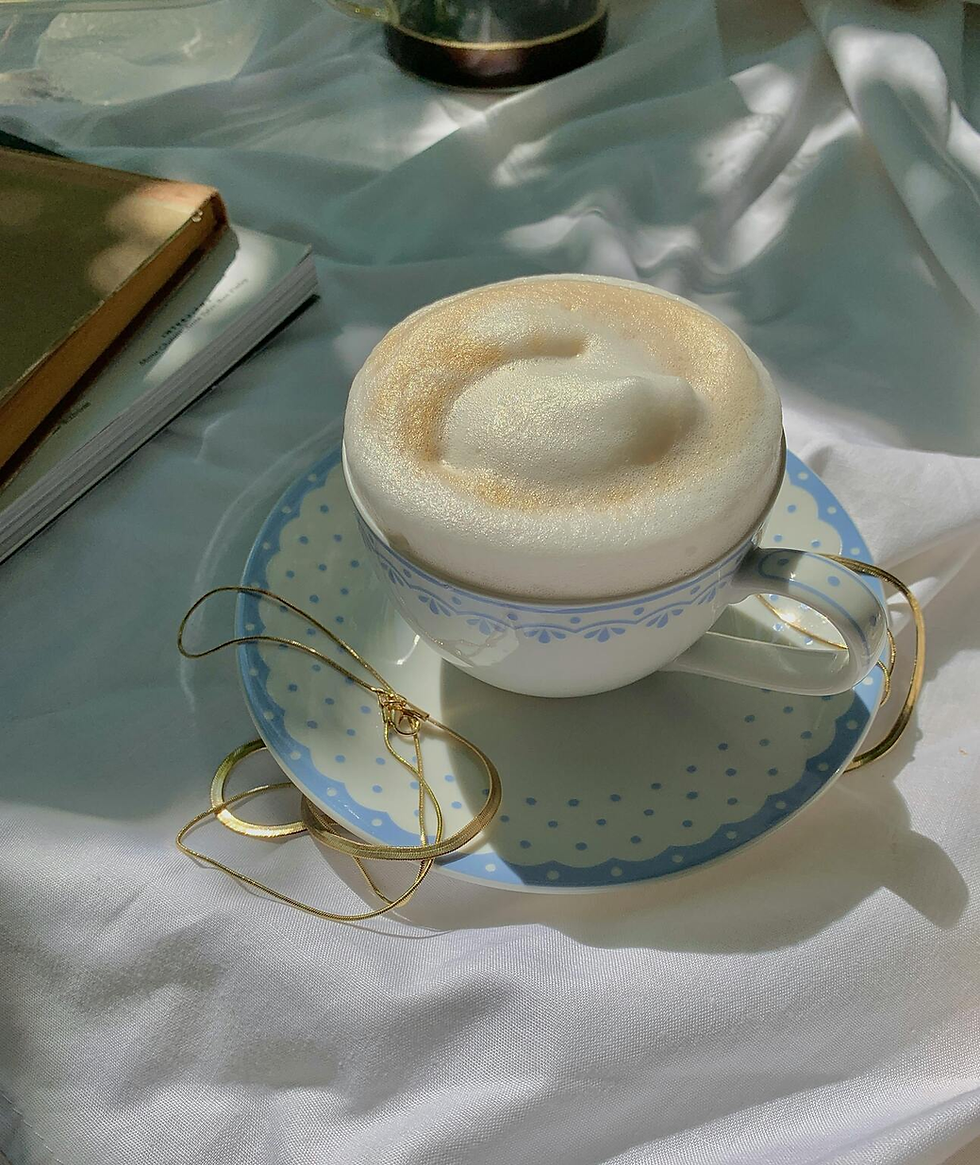
So here’s where things get more complicated, the Cappuccino is often described as being made up of 3 equal parts, 1 part espresso, 1 part steamed milk and 1 part milk foam, with the espresso being 1 shot. The issue here is that the drink would be roughly 3 oz as an Italian single shot is 1 oz, this is obviously much smaller than we expect when ordering a Cappuccino and so the recipe over the years has changed to more of a vague concept.
Modern Cappuccinos
Today it’s very common to have different sizes of Cappuccino available at all cafes as well as many coming with 2 shots instead of it’s original 1.
Further more, with latte art becoming a much larger aspect of the café experience, Cappuccino milk has become thinner to allow for baristas to draw satisfying patterns on your drink.
So today, the Cappuccino is far from what it once was and that leads us onto the last and slightly polarising question.
To chocolate or not to chocolate?

Where I’ve worked, putting chocolate on Cappuccinos is assumed and rarely is the question mentioned to customers but there are many who don’t want it. There really isn’t much proof for or against chocolate being part of the Cappuccino’s history and so it simply comes down to preference, but I would advise if you don’t want chocolate then best say before the barista makes it as it will likely be put on by default.
I hope you’ve enjoyed the read this week and maybe this has made you want to try a Cappuccino! If so let us know how you find it through our Instagram!
Have a great week and some even better coffees!


Comments